
Call for articles
Background
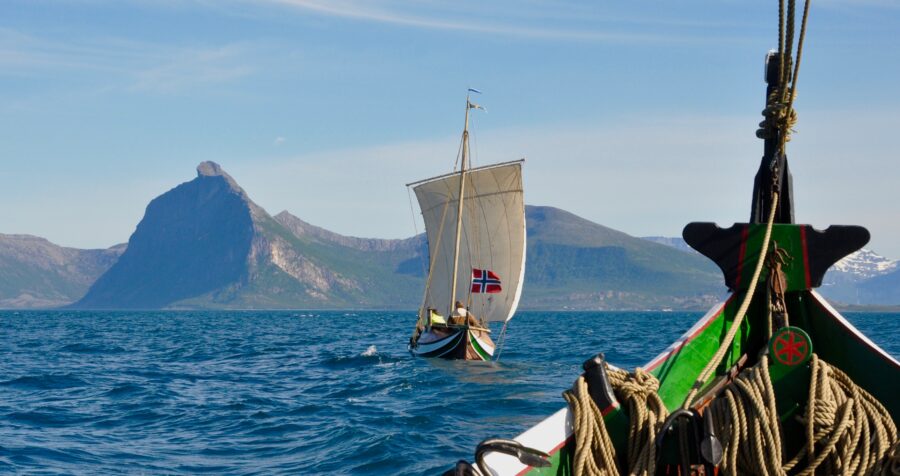
Photo: Ulf Mikalsen. Nordland boats under sail. Boats have been essential for linking many parts of the Nordic and Baltic region together, bringing trade and cultural contact. A lot of the living heritage in the region exists across borders, such as the clinker boat tradition.
Safeguarding Practices
The main purpose of the website www.safeguardingpractices.com is to share experiences in safeguarding intangible cultural heritage in the Nordic and Baltic region. The webpage is developed in collaboration with the Nordic and Baltic network on ICH.
Open call for articles
Open call for new articles describing experiences, methods and activities in the safeguarding of intangible/living heritage.
We are interested in a broad range of examples of different safeguarding practices from the whole region.
Some key points to identifying potential articles on safeguarding:
Examples of methods or projects that:
… demonstrate innovative, creative or effective approaches to safeguard intangible/living cultural heritage
… involves the participation of relevant stakeholders such as communities or practitioners.
… is a way forward to identify/document/research; preserve/protect; promote/enhance; transmit; revitalize intangible/living cultural heritage.
… best reflect the principles and objectives of the UNESCO 2003 Convention
Suggested structure of the article:
Having the same structure on the articles makes it easier to compare the different examples and learn from the experience of others. Please also have a look at the articles already published on www.safeguardingpractices.com.
The structure/section headings of the article should be as follows
(The editor can help with the structuring of articles. ):
1.Background. Presentation of the ICH practice, and the community, practitioners and bearers concerned.
2.Why safeguard? Identifying threats and need for safeguarding.
3.Objectives and goals (could be included in the next section)
4.How it is done. Strategies and measures used in the safeguarding practice. Sharing experiences from the safeguarding activity.
5.Key factors. Short bullet points or short text on the key factors.
6.Summing up. Reflections. We are not just interested in the success-stories. The examples could also include reflections on the things that did not work, the challenges and the future.
7.Links, contacts and sources
Article length and details
The articles should be from ca. 500 to 1500 words, in English.
If the text is translated into English, we are also interested in the article in the original language. A short summary in the first language/mother tongue can also be added to the English article.
Links can be added to the text. Other links, references, sources, and contacts will be added in the last section of the article.
We do not give compensation/fee for articles or pictures.
Pictures:
Picture credit: Remember to name the photographer and check with the photographer that the picture can be used on the webpage free of charge.
People shown on the pictures must have given their consent for the use of the picture.
Photo Caption: A short text describing the motive, incl. photo credit.
Remember to check the size/quality of the pictures.
Deadline: Ongoing, no specific deadline, but new drafts or ideas for articles preferably before the end of March 2026